

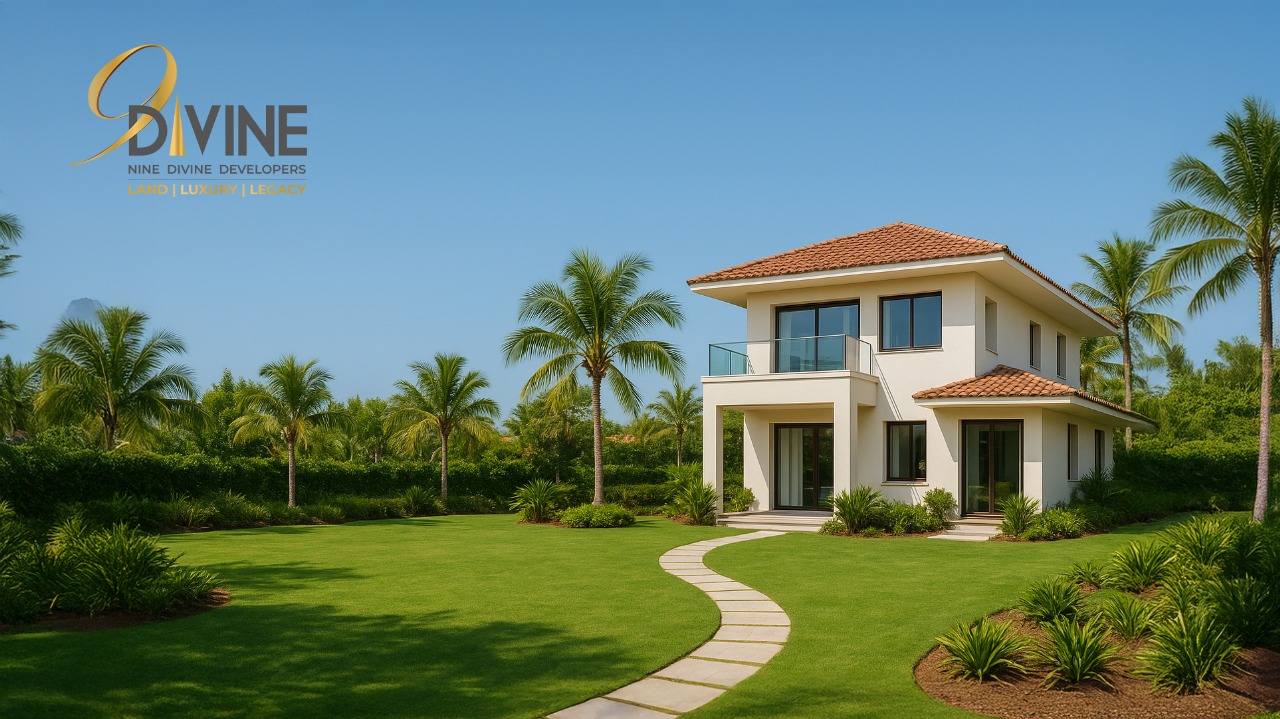

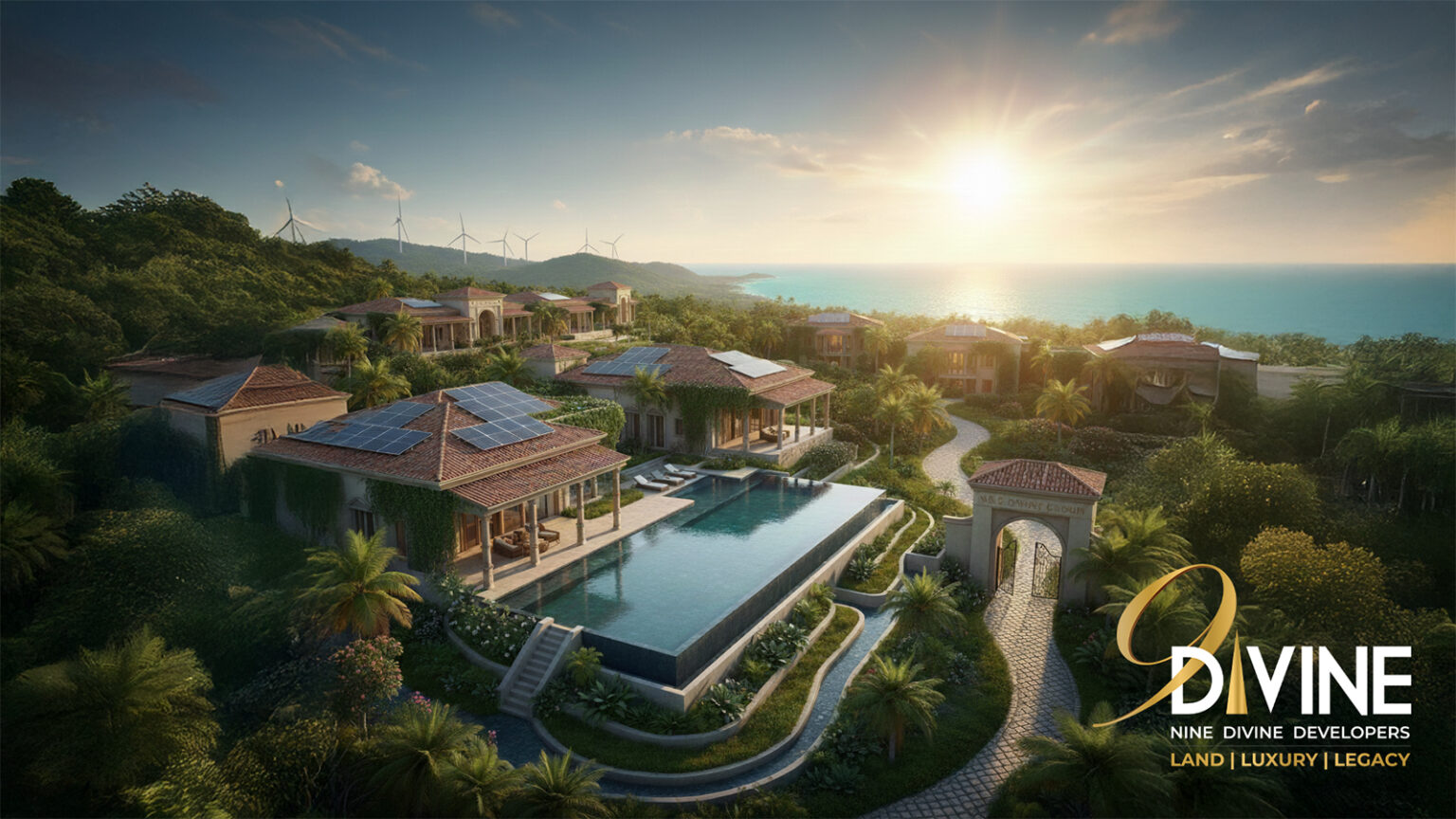
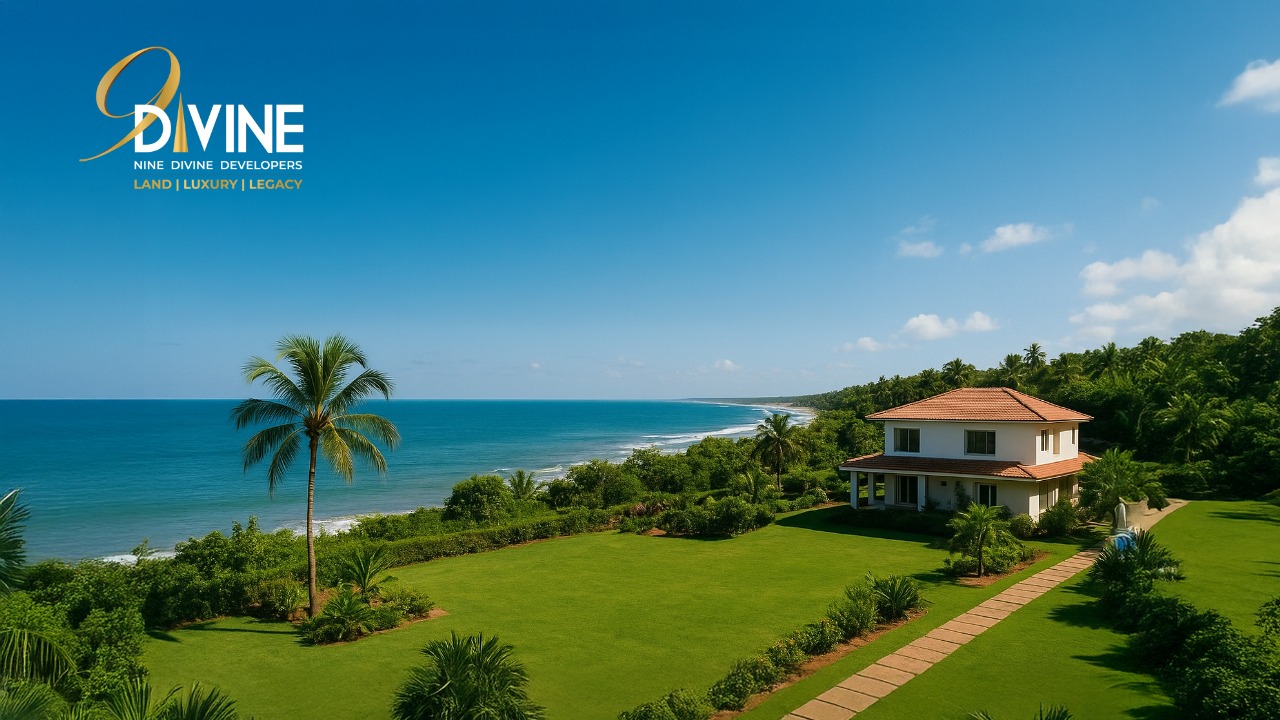
 Where sustainable design meets premium coastal living in the Maha Goa region.
The 2025 Eco-Wealth Revolution: Why Investors Are Choosing Sustainable Luxury Homes in Maha Goa
A New Kind of Luxury Is Rising on India’s Western Coast
There was a time when “luxury home” in India meant heavy marble, overdesigned facades, and a postcode close to a famous club or mall. That era is fading. Across the world, ultra-high-net-worth individuals and aspirational families are quietly re-defining what it means to live well.
Table of Contents
- The 2025 Eco-Wealth Revolution: Why Investors Are Choosing Sustainable Luxury Homes in Maha Goa
- A New Kind of Luxury Is Rising on India’s Western Coast
- Why Sustainability Is Now the Defining Feature of Global Luxury
- 1. The Numbers Behind the Green Shift
- 2. The New Status Symbol: Wellness and Responsibility
- 3. Climate Risk Is Now Investment Risk
- India’s Policy Tailwinds: Why Green Homes Are Officially “Good Business”
- 1. Codes, Incentives, and Faster Approvals
- 2. Green Finance: Cheaper Capital for Better Buildings
- Goa’s Strategic Pivot: From Mass Tourism to Regenerative Tourism
- 1. A Tourism Policy That Embeds Sustainability
- 2. Visitor Numbers That Justify Luxury and Sustainability
- The Maha–Goa Belt: Ecotourism Designation, Real Policy, and Real People
- 1. Sindhudurg: Official Ecotourism District
- 2. Real Grassroots Eco-Tourism Success Stories
- 3. Coastal Protection Backed by ADB
- Proof of Concept: Sustainable Luxury Villas Already Winning in Goa
- 1. Amayah, Assagao — A Blueprint for Eco-Luxury
- 2. Green Buildings Gaining Momentum Across India
- The Investor’s Case: Why Earth-Focused, Low-Impact Homes Are Winning
- 1. Climate Resilience = Asset Resilience
- 2. Lower Lifetime Operating Costs
- 3. Higher Resale Premium and Faster Liquidity
- 4. Access to Green Mortgages and Future Incentives
- Nine Divine Group: A Mini Rome Designed for Sustainable Luxury in Maha Goa
- 1. The Land: 11 Acres of Planned Grandeur
- 2. The Location: Connectivity Without Congestion
- 3. The Ecosystem: Live, Work, and Earn in One Gated Domain
- 4. Amenities That Support Sustainable, High-Quality Living
- Designing Your Own Sustainable Luxury Home in Maha Goa: What It Can Include
- 1. Architecture That Works With the Land
- 2. Smart Water Design
- 3. Renewable Energy and Smart Systems
- 4. Materials That Respect the Coast
- 2025–2030: What the Next Five Years Could Look Like for Early Investors
- 1. Capital Appreciation
- 2. Rental Yields
- 3. Exit Options
- The Emotional Core: Legacy, Land, and Responsibility
- FAQs
- Why Now Is the Time to Build Your Sustainable Luxury Home in Maha Goa
The new status symbol isn’t just a sea view or a big villa. It’s a home that respects the land, drinks less water, harvests its own rain, runs on clean energy, and lets the family breathe better air. It is a luxury that doesn’t feel guilty about the footprint it leaves behind.
This is why sustainable luxury homes in Maha Goa under the banner of Nine Divine Group are slowly becoming the most sought-after asset class for smart, future-ready investors. And this transformation is not a marketing story; it is backed by hard data, government policy, and global capital flows.
Goa welcomed 10.41 million visitors in 2024, and the first half of 2025 alone saw an 8% year-on-year rise in tourist numbers, as the state leaned into a strategic shift from “mass tourism” to “meaningful, regenerative tourism.” Recent coverage by India’s tourism media also notes a 6.23% overall growth in arrivals, with a stunning 29% jump in international tourists, indicating that Goa is solidifying its place on the world luxury map.
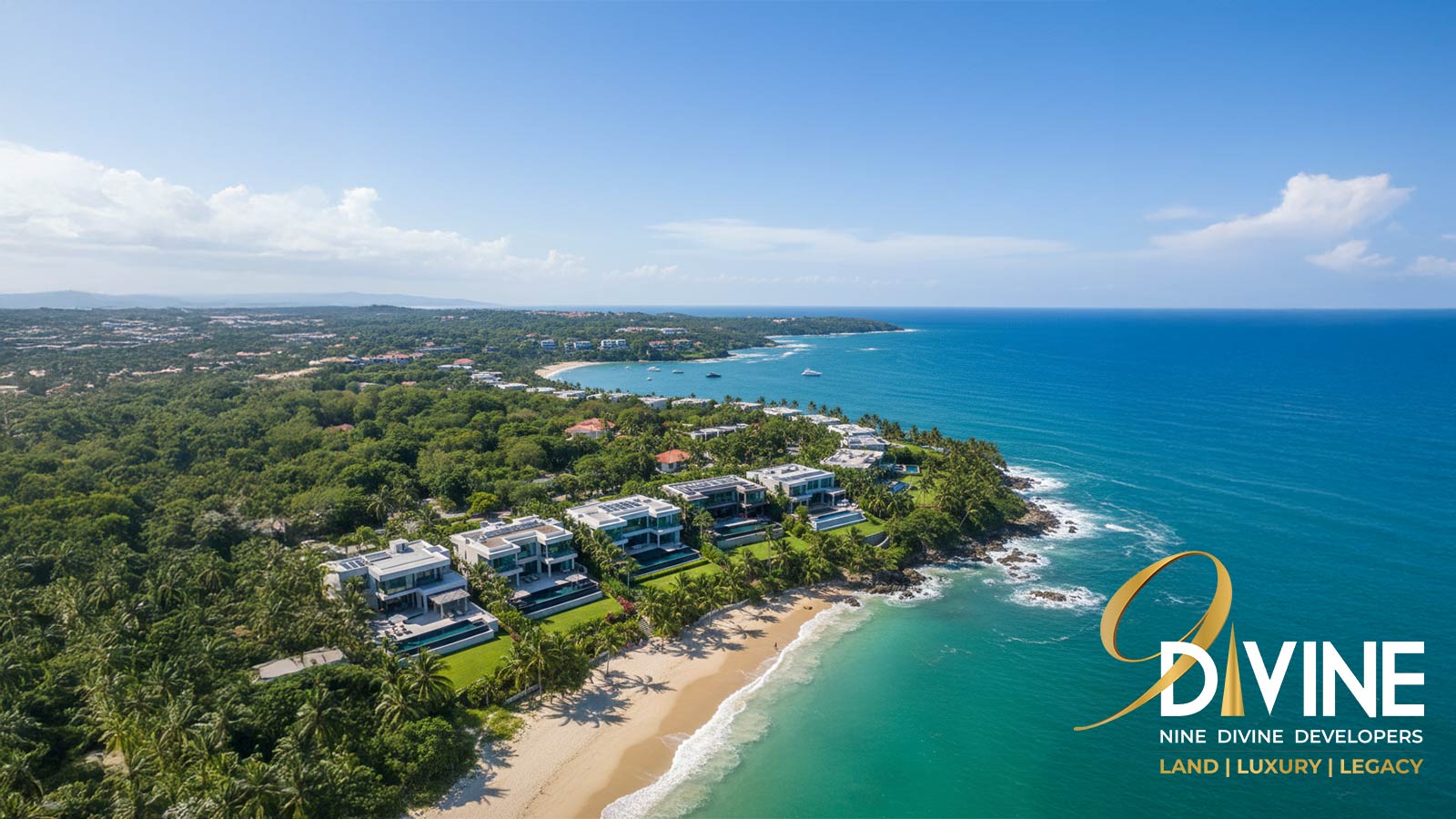
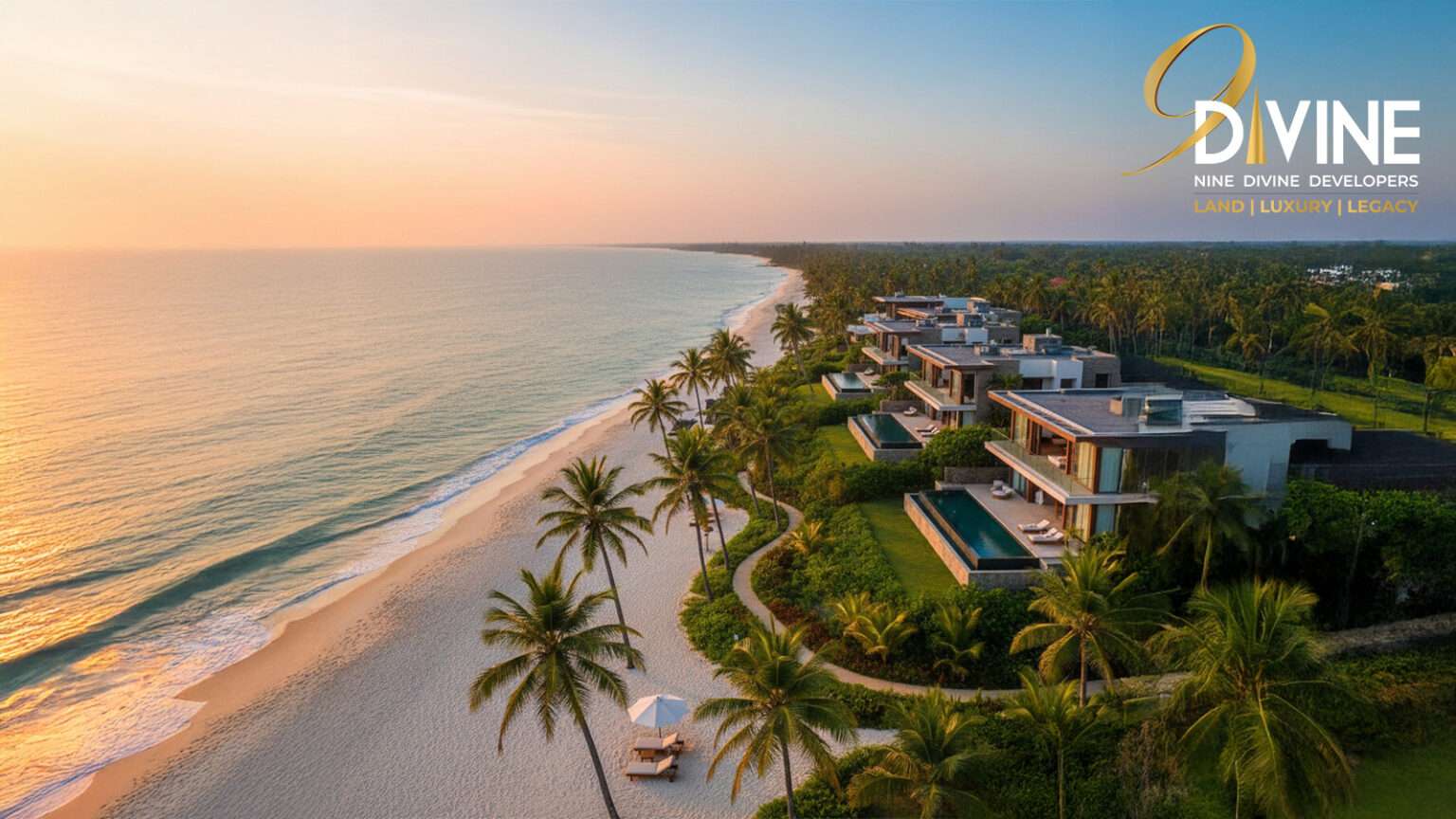
But as North Goa gets denser and noisier, the smart money is moving slightly up the coastline—into the calmer, greener, strategically connected Maha–Goa belt. Here, carefully planned communities by Nine Divine Group blend Roman-inspired grandeur with large, open villa plots and the potential to create genuinely sustainable luxury homes in Maha Goa.
This is where legacy investors are quietly planting their flag.
Why Sustainability Is Now the Defining Feature of Global Luxury
1. The Numbers Behind the Green Shift
The International Finance Corporation (IFC), part of the World Bank Group, published a detailed snapshot of India’s green building market and called it “underdeveloped but rapidly evolving.” As of 2020, certified green buildings represented only about 2% of new formal built area in the country.
That small base is exactly why the upside is so large. IFC’s broader research shows that green residential properties globally can command 4–10% higher sale prices, sell up to four times faster, and deliver stronger long-term asset resilience. For luxury buyers, that combination—prestige plus performance—is irresistible.
It’s no surprise, then, that sustainable luxury homes in Maha Goa by Nine Divine Group fit perfectly into this macro story: limited supply, high aspirational value, and real financial logic behind the eco-friendly narrative.
2. The New Status Symbol: Wellness and Responsibility
Ultra-rich homeowners across London, Dubai, Singapore, and New York are choosing homes with:
better indoor air quality
non-toxic paints and finishes
views into real greenery rather than concrete
access to walking trails and water bodies
energy-efficient cooling rather than oversized ACs
Wellness architecture has moved from niche to mainstream in luxury markets. For Indian NRIs and HNIs who spend part of the year in India, sustainable luxury homes in Maha Goa offer exactly that combination: a resort-like environment that is also a regenerative retreat.
3. Climate Risk Is Now Investment Risk
What used to be a concern for scientists is now a line item in family office risk reports: climate volatility, heatwaves, coastal erosion, and water stress.
Luxury properties that ignore these realities are, bluntly, less future-proof. Investors know this. So they’re seeking locations and communities where:
buildings are designed around prevailing winds and natural light
coastal vulnerability is addressed with stronger planning and regional protection
long-term water security is considered
regulatory risk around environmental norms is lower
All of this pushes demand toward sustainable luxury homes in Maha Goa, especially in planned enclaves with robust infrastructure, rather than random standalone villas in overbuilt villages.
India’s Policy Tailwinds: Why Green Homes Are Officially “Good Business”
1. Codes, Incentives, and Faster Approvals
Over the last few years, India has rolled out:
ECBC (Energy Conservation Building Code) for energy-efficient construction
Model Building Bye-Laws encouraging green features
Extra FAR (Floor Area Ratio) and local tax rebates for projects that secure IGBC/GRIHA/LEED/EDGE certification in many states
Fast-track environmental clearances for certified green projects
This directly favours integrated communities that plan for:
solar rooftops
rainwater harvesting
wastewater treatment and reuse
native landscaping
Exactly the technologies and design approaches that should be embedded into sustainable luxury homes in Maha Goa.
2. Green Finance: Cheaper Capital for Better Buildings
Indian lenders are no longer neutral about sustainability. IFC’s financing blueprint highlights how banks like SBI, HDFC, NHB, and SIDBI are setting up specific green housing lines, green bonds, and preferential mortgages for certified projects.
For an investor building a second home or villa in the Maha–Goa belt, this potentially means:
lower cost of borrowing
better refinancing options
stronger attractiveness for institutional buyers down the line
If a plotted community by Nine Divine Group is positioned to support sustainable luxury homes in Maha Goa, investors can ride both capital appreciation and the emerging green-finance wave.
Goa’s Strategic Pivot: From Mass Tourism to Regenerative Tourism
Goa carefully read the signs. Tourism was booming, but so were complaints about crowding, waste, and environmental degradation. That’s why the state’s leadership launched a regenerative tourism vision, emphasising “impact over influx.”
1. A Tourism Policy That Embeds Sustainability
The Goa Tourism Policy 2020 sets up a strengthened Goa Tourism Board and mandates representation of environmental experts in guiding long-term planning. It speaks explicitly about:
sustainable tourism
community participation
environment-friendly infrastructure
heritage and culture-sensitive growth
This governance structure means the state is unlikely to support reckless, high-density development going forward. Instead, it naturally favours projects that align with sustainable luxury homes in Maha Goa—low-impact, well-planned, and integrated with local ecology and culture.
2. Visitor Numbers That Justify Luxury and Sustainability
Recent updates show:
10.41 million tourists in 2024
8% YoY growth in early 2025
6.23% overall growth with a nearly 29% jump in international arrivals as per Goa’s tourism minister
International travellers, especially from Europe and North America, are acutely aware of climate and sustainability issues. They seek villas and stays that are both luxurious and environmentally responsible—exactly the market that future sustainable luxury homes in Maha Goa by Nine Divine Group will serve via Airbnb, serviced villas, or branded residences.
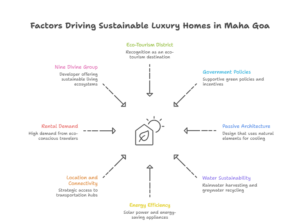
The Maha–Goa Belt: Ecotourism Designation, Real Policy, and Real People
The “Maha–Goa” phrase captures a powerful geography: the northern spread of Goa’s influence into the Konkan coast of Maharashtra—Sawantwadi, Vengurla, and Sindhudurg.
1. Sindhudurg: Official Ecotourism District
The Government of Maharashtra declared Sindhudurg district an ecotourism destination as far back as 2006. A dedicated district and state committee worked on a Detailed Project Report for sustainable village tourism, focusing on 21 villages in the region.
This plan emphasised:
homestays instead of generic hotels
ecological conservation
local income generation
protection of unique Konkan biodiversity
When you locate sustainable luxury homes in Maha Goa within such a policy framework, you’re not fighting the system—you’re riding it.
2. Real Grassroots Eco-Tourism Success Stories
Platforms like The Better India have highlighted changemakers such as Rashmi Sawant, whose Culture Aangan model in Sindhudurg uses eco-tourism and homestays to increase rural incomes while preserving mangroves and local culture.
This proves that ecological sensitivity in Maha–Goa isn’t a fancy brochure concept; it’s a lived reality. Luxury buyers often resonate more deeply with investments that positively impact nearby communities. Sustainable luxury homes in Maha Goa can, and should, plug into this responsible tourism and livelihood ecosystem.
3. Coastal Protection Backed by ADB
To address coastal vulnerability, the Asian Development Bank (ADB) and the Government of India signed a $42 million loan for climate-resilient coastal protection in Maharashtra.
The project aims to:
protect coastlines using hybrid engineering-nature solutions
secure tourism and fisheries
involve local communities in coastal zone management
For investors in sustainable luxury homes in Maha Goa, this means the macro-level infrastructure is already being strengthened to protect both environment and asset value long term.
Proof of Concept: Sustainable Luxury Villas Already Winning in Goa
1. Amayah, Assagao — A Blueprint for Eco-Luxury
In August 2025, hospitality media and travel business outlets reported the launch of Amayah in Assagao—marketed as Goa’s first sustainable luxury villa community, jointly created by Elivaas and Aranayam.
Key features:
Part of one of the region’s first GRIHA-certified residential communities
Locally sourced materials
Natural ventilation systems reducing artificial cooling loads
Solar power installations
Intelligent water management
Indo-Portuguese aesthetic with modern luxury comforts
Media coverage emphasised that Amayah is intended as a “new blueprint for premium vacation homes in India—rooted in culture, enhanced by design, and driven by environmental responsibility.”
For investors evaluating sustainable luxury homes in Maha Goa, this is a direct proof-of-market: buyers are enthusiastic about eco-luxury, and developers are willing to invest in certification.
2. Green Buildings Gaining Momentum Across India
While office buildings dominate the early wave of green certification, India has seen a 65% jump in Grade-A green-certified offices since 2019, signalling developer confidence in eco-friendly real estate.
Rajasthan, for instance, now boasts over 600 IGBC-rated green buildings, with typical energy savings of 40–50% and water savings of 30–35%, and the additional construction cost has dropped to just 2–3%, with payback periods as short as 18 months.
If this is feasible for commercial spaces, then carefully master-planned communities for sustainable luxury homes in Maha Goa can easily adopt similar measures with compelling financial payback.
The Investor’s Case: Why Earth-Focused, Low-Impact Homes Are Winning
1. Climate Resilience = Asset Resilience
IFC’s green buildings blueprint highlights that integrating climate resilience—flood protection, stronger materials, smart siting—directly reduces asset risk and can protect property values.
For an investor building sustainable luxury homes in Maha Goa, this means:
Structures designed to handle heavy monsoon rainfall
Better drainage and slope management
Landscapes that use native species and reduce erosion
All of this reduces long-term maintenance surprises.
2. Lower Lifetime Operating Costs
Energy and water costs form a significant share of operating expenses for large villas with pools, staff, and air-conditioning. Green building models demonstrate:
20–40% energy savings
30%+ water savings
Lower mechanical cooling loads
While initial costs may be slightly higher, the payback period often ranges from 3–7 years, after which the investor simply enjoys higher net yields.
If you position sustainable luxury homes in Maha Goa as holiday rentals, these lower operating costs compound beautifully over time.
3. Higher Resale Premium and Faster Liquidity
IFC’s global research shows green residential properties achieving 4–10% higher sale prices and selling much faster than conventional homes.
In a future where sustainability becomes the default expectation, early-stage sustainable luxury homes in Maha Goa by Nine Divine Group will likely be seen as “vintage eco-leaders”—properties that were ahead of the curve and therefore command greater buyer interest.
4. Access to Green Mortgages and Future Incentives
As green finance deepens in India, investors in certified or certifiable sustainable luxury homes in Maha Goa may access:
Lower interest rates
Better LTV ratios
Specialised refinancing
Green-bond-linked exit options for developers
This makes such assets appealing not just as homes, but as financially engineered, future-proof investments.
Nine Divine Group: A Mini Rome Designed for Sustainable Luxury in Maha Goa
1. The Land: 11 Acres of Planned Grandeur
11 acres of meticulously landscaped terrain
Villa plots starting from 600 sq. yards, perfect for expansive villas
Only a select number of villa plots, preserving low density and exclusivity
This is exactly the kind of canvas savvy buyers need to design sustainable luxury homes in Maha Goa, with enough land to incorporate courtyards, native trees, kitchen gardens, water bodies, and passive cooling strategies.
2. The Location: Connectivity Without Congestion
From Nine Divine Group:
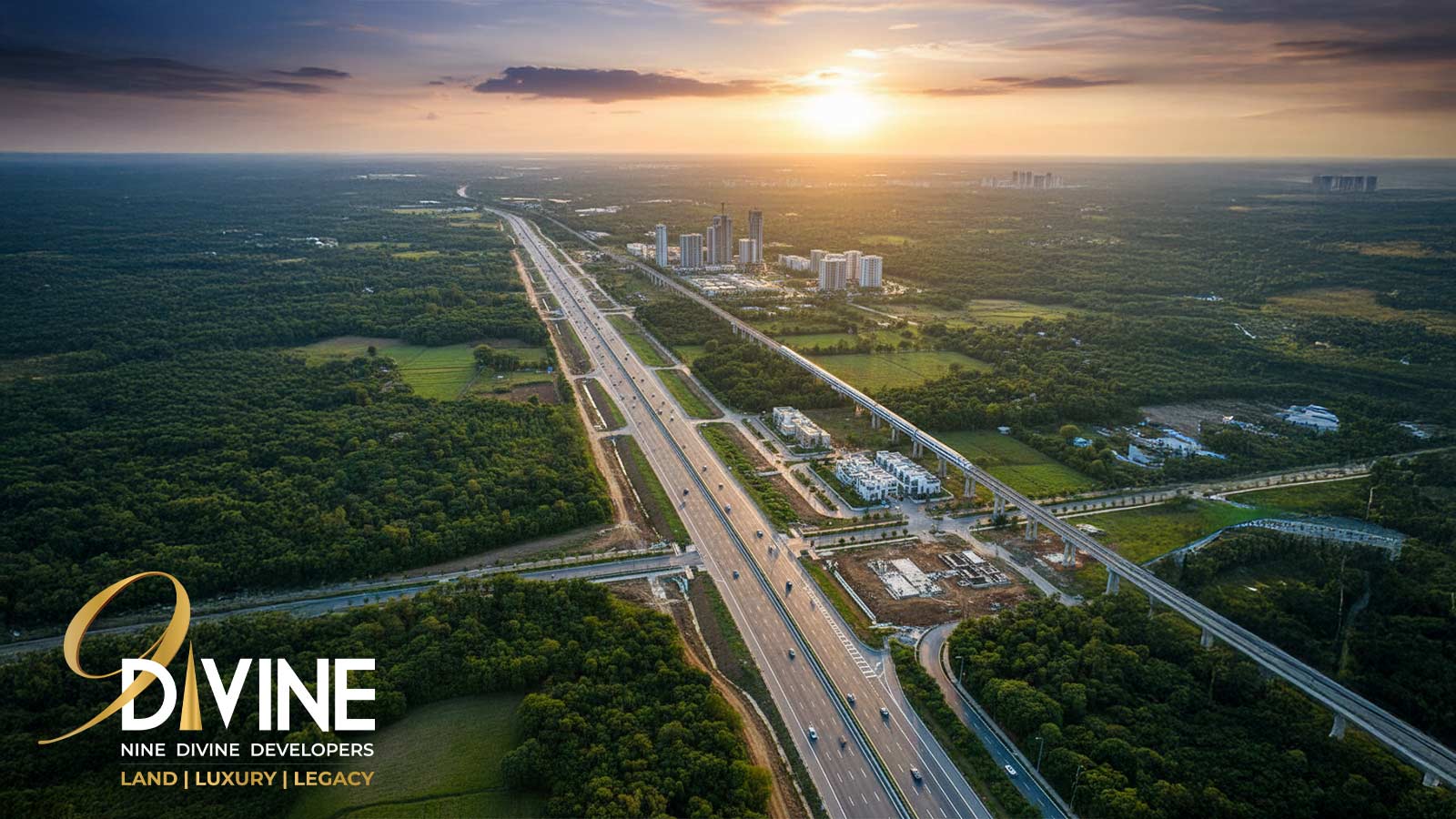
2 minutes from Mumbai–Goa Expressway (NH-66)
Located on State Highway 180, with a direct road to white-sand beaches
15 minutes from Vengurla Beach
10 minutes from Sawantwadi Railway Station
Around 30–35 minutes from MOPA International Airport
About 40 minutes from Chipi (Sindhudurg) Airport
This connectivity allows sustainable luxury homes in Maha Goa to function as:
Holiday homes
Retirement villas
High-yield Airbnb or serviced villas
Corporate retreat homes
3. The Ecosystem: Live, Work, and Earn in One Gated Domain
Nine Divine Group offers a rare 3-in-1 model:
Luxury villa plots
Luxury retail shops facing NH-66
Highway-facing office spaces
For investors, this means:
Option to run or lease out commercial units
All within one controlled, well-managed community
4. Amenities That Support Sustainable, High-Quality Living
CDL’s concept includes:
Exclusive clubhouse
High-end fitness centre and wellness spa
Landscaped gardens and walking trails
24/7 concierge
Gated security with surveillance
“Luxora Forum” commercial hub
Smart-home-ready infrastructure
Added to this is a strong leaning toward sustainable living features—from planned landscaping to the ability to integrate green building technologies at the villa level.
Designing Your Own Sustainable Luxury Home in Maha Goa: What It Can Include
1. Architecture That Works With the Land
Orientation that uses prevailing sea-breeze wind paths
Thick walls and shaded verandas inspired by Roman and Konkan vernacular styles
Courtyards to create stack-effect natural ventilation
Deep overhangs to cut direct sun, reducing AC loads
2. Smart Water Design
Rainwater harvesting rooftop systems
Permeable paving and bioswales to recharge groundwater
Greywater recycling for landscaping
Native, drought-tolerant plant species
These measures help sustainable luxury homes in Maha Goa minimise freshwater consumption and stay resilient during extended dry spells.
3. Renewable Energy and Smart Systems
Solar PV on rooftops or pergolas
Solar-powered garden lighting
Energy-efficient appliances, fans, and VRF AC systems
Smart automation to control lighting and cooling
In a power-conscious future, these choices will directly influence the villa’s operating cost and resale value.
4. Materials That Respect the Coast
Locally sourced stone and brick
Lime or low-VOC plasters and paints
Sustainably sourced timber
Recycled or rapidly renewable materials where possible
When all this is combined into one design, the result is not just another villa; it is one of the finest sustainable luxury homes in Maha Goa, built as a physical legacy that actually improves the land it occupies.
2025–2030: What the Next Five Years Could Look Like for Early Investors
1. Capital Appreciation
Based on patterns observed in North Goa and emerging data from Sindhudurg, land parcels around key infrastructure upgrades and airports have seen:
22% appreciation in 18 months in select parts of Sindhudurg and North Konkan
Spikes in post-airport micro-markets as connectivity becomes permanent infrastructure
Well-located, legally clean, amenity-rich plotted projects that support sustainable luxury homes in Maha Goa are expected to outperform generic land in unplanned villages.
2. Rental Yields
With eco-luxury villas like Amayah setting a benchmark, premium villas in North Goa and surrounds already command:
Nightly tariffs in the ₹25,000 – ₹1,50,000 range
Peak-season occupancy of 88–92%, with shoulder seasons at 75–80%
A well-run, design-forward inventory of sustainable luxury homes in Maha Goa inside a gated community close to highways and airports is likely to capture this demand and offer:
Annual gross income in the ₹40–80 lakh range for larger villas
Net yields that beat most traditional residential assets, even after management fees
3. Exit Options
In five to seven years, early adopters of sustainable luxury homes in Maha Goa may have the following exit paths:
Individual resale to HNIs and NRIs wanting ready homes
Portfolio sale of multiple villas to hospitality funds or luxury operators
Collateral for green bonds or refinancing products
Because the asset aligns with sustainable finance trends, it will likely attract a wider buyer universe than a conventional villa.
The Emotional Core: Legacy, Land, and Responsibility
Beyond returns and regulations, there is a softer, but equally powerful, driver: legacy.
For many families, especially those with roots in Mumbai, Pune, Dubai, or London, the dream is not just to own a villa; it is to own a piece of coastline that their grandchildren will thank them for, not apologise for.
Building sustainable luxury homes in Maha Goa inside a curated community like Nine Divine Group allows them to:
Live in harmony with a region officially recognised for ecotourism
Support local livelihoods through tourism and services
Participate in a regenerative vision for Goa and Konkan
Leave behind an asset that has moral as well as monetary value
In a world where wealth is increasingly judged by how it was made and what it supports, such choices matter.
FAQs
What makes sustainable luxury homes in Maha Goa different from regular luxury villas?
They combine premium living with eco-conscious design including solar rooftops, rainwater harvesting, wastewater recycling, native landscaping, natural ventilation architecture, and low-VOC materials.Why are investors shifting toward sustainable luxury homes in coastal regions like Maha Goa?
Climate risk, government incentives, higher valuations, demand from NRIs, and policy support make eco-luxury a future-proof investment.Are sustainable luxury homes more expensive to build?
Initially, they may cost 1–5% more, but energy and water savings reduce total ownership cost, with payback in 3–7 years.What certifications can these homes obtain?
IGBC Green Homes, GRIHA, LEED Residential, EDGEHow does location affect sustainability?
Maha–Goa provides sea breezes, high rainfall, solar exposure, native vegetation, ecotourism designation, and ADB-backed coastal protection.Are sustainable luxury homes profitable for Airbnb and luxury rentals?
Yes. Peak season occupancy: 88–92%, nightly tariff ₹25,000–₹1,50,000. Green-certified homes perform better than conventional villas.Can I get green financing or lower interest rates?
Banks including SBI, HDFC, PNB Housing, and NHB offer green home loans, preferential rates, and retrofitting loans.Is it easier to get approvals?
Yes. Green-certified projects receive faster environmental clearances, higher FAR, fewer objections, and smoother compliance.What sustainable features add the most value?
Solar PV + battery backup, passive cooling design, double-glazed windows, low-flow water fixtures, native plantations, greywater reuse, permeable paving, EV charging stations.Is Nine Divine Group suitable for building sustainable luxury homes in Maha Goa?
Yes. It offers 11-acre low-density Roman-inspired master plan, 600+ sq. yard villa plots, smart-home-ready infrastructure, design freedom, direct access to highways, beaches, and airports.
Why Now Is the Time to Build Your Sustainable Luxury Home in Maha Goa
The signals are aligned:
Policy: India and Goa reward sustainable, low-impact development
Finance: Green buildings enjoy better terms and higher valuations
Tourism: Shift from volume to value, rising international arrivals
Ecology: Sindhudurg’s ecotourism designation and ADB-backed coastal protection
Market Proof: Amayah shows eco-luxury villas are commercially viable
Set against this backdrop, sustainable luxury homes in Maha Goa by Nine Divine Group are not just another real-estate theme—they are:
A hedge against climate and regulatory risk
A magnet for premium tenants and guests
A statement of values
A long-term legacy asset
Nine Divine Group offers plotted freedom, Roman-inspired aesthetics, excellent connectivity, and a master-planned ecosystem to craft sustainable luxury precisely the way you want it.
Your next move could be more than a purchase—it could be a promise: to your family, to the land, and to the future.





No Comments